|
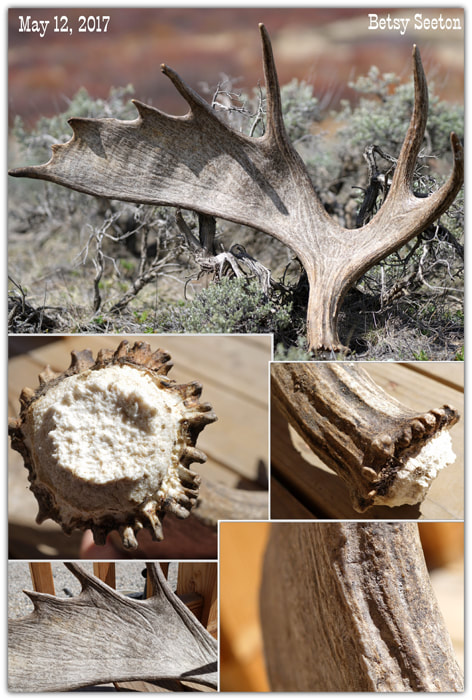
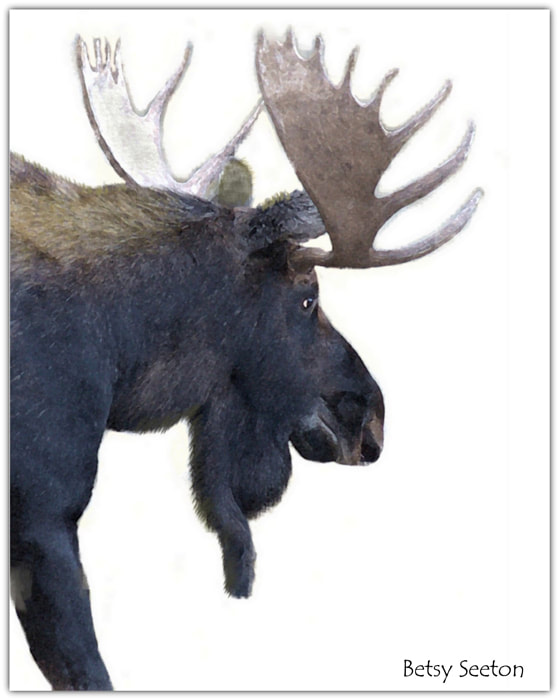
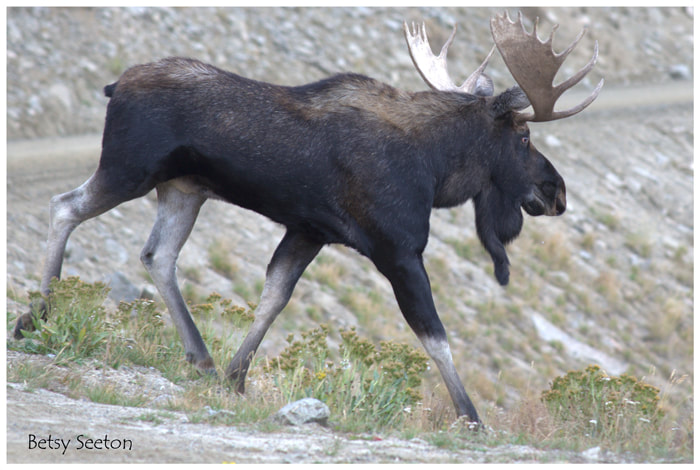
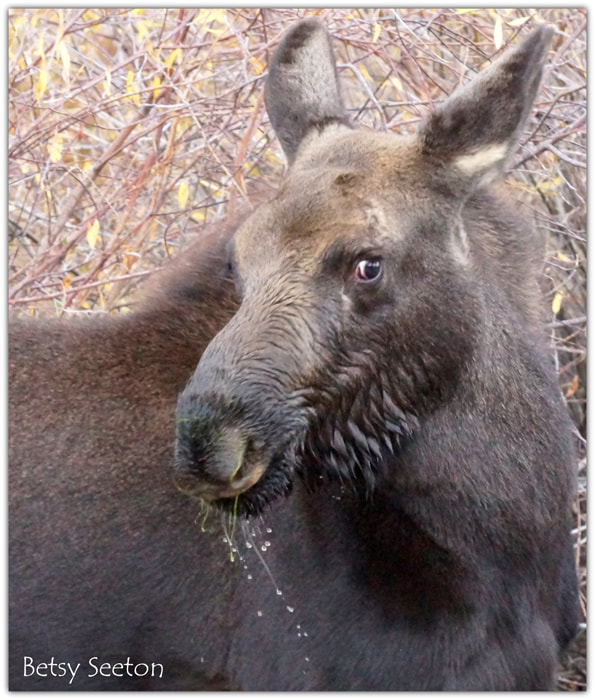
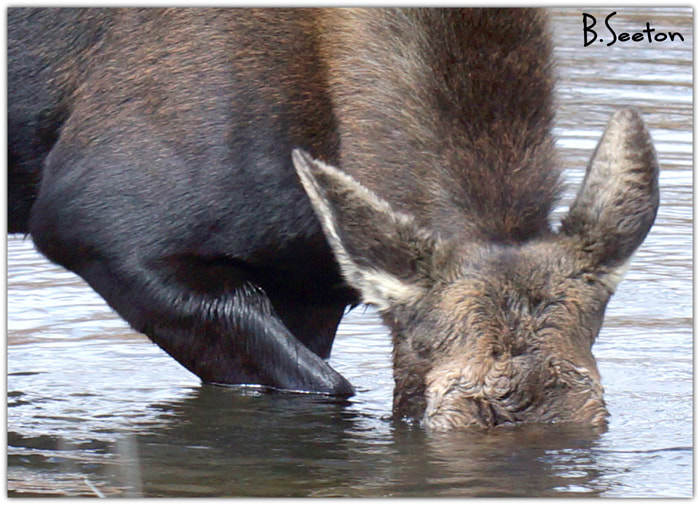
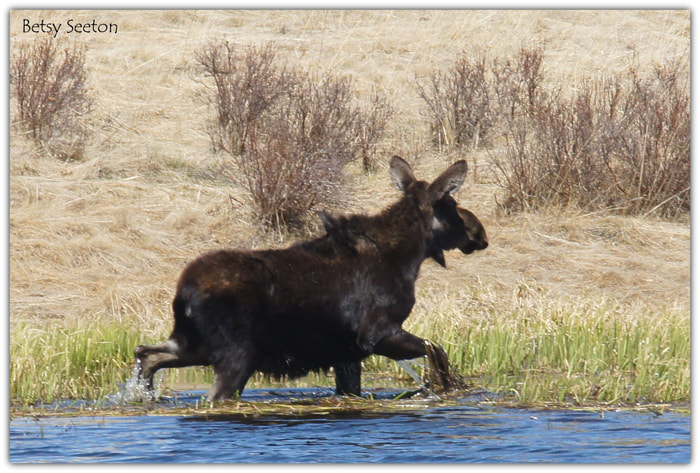
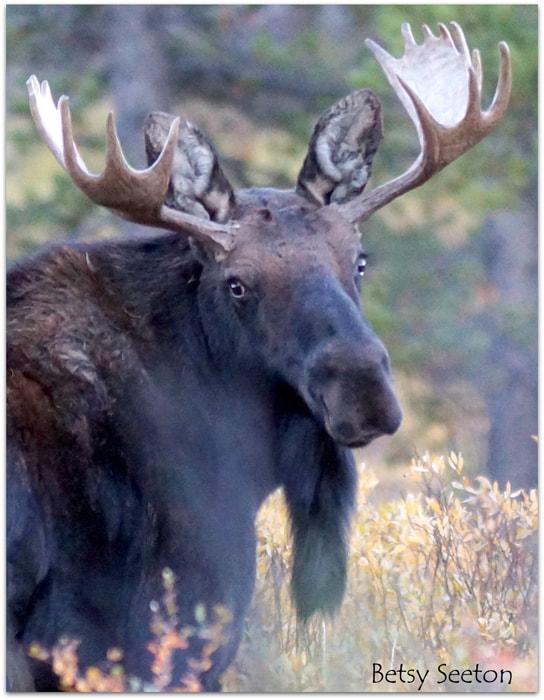
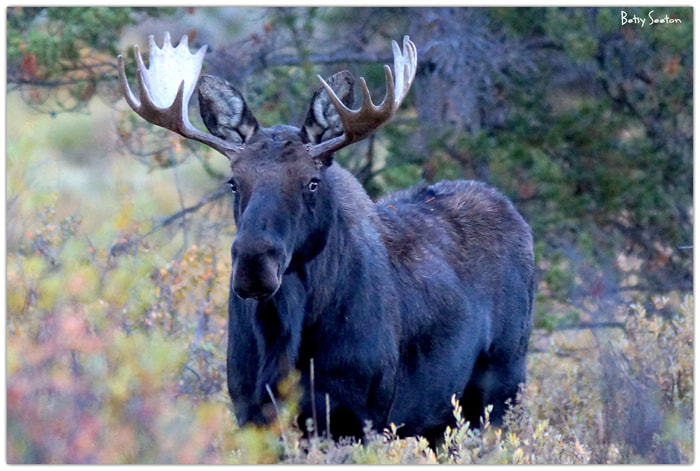
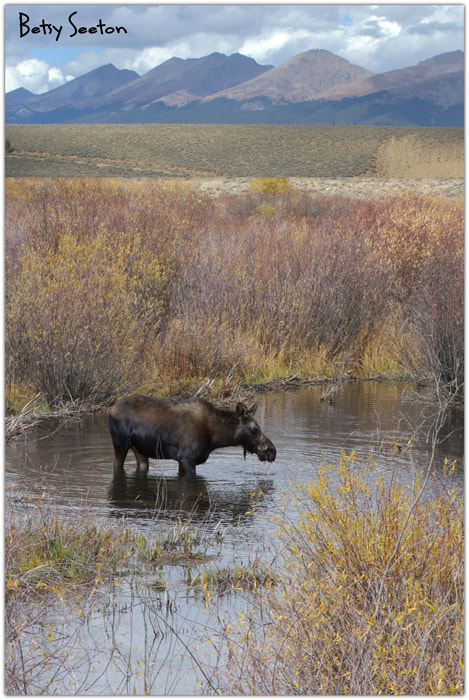
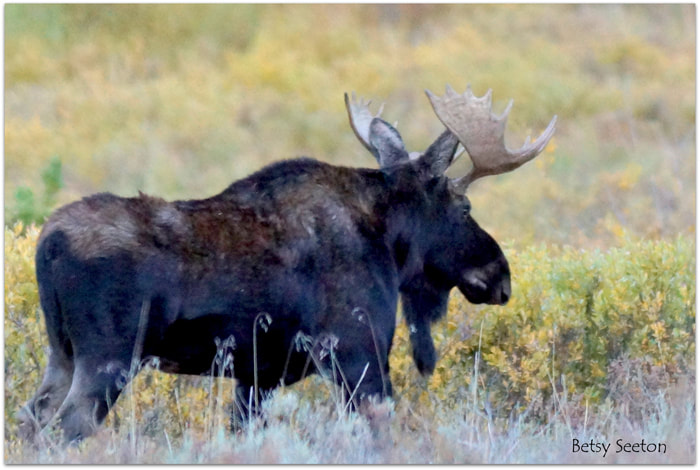
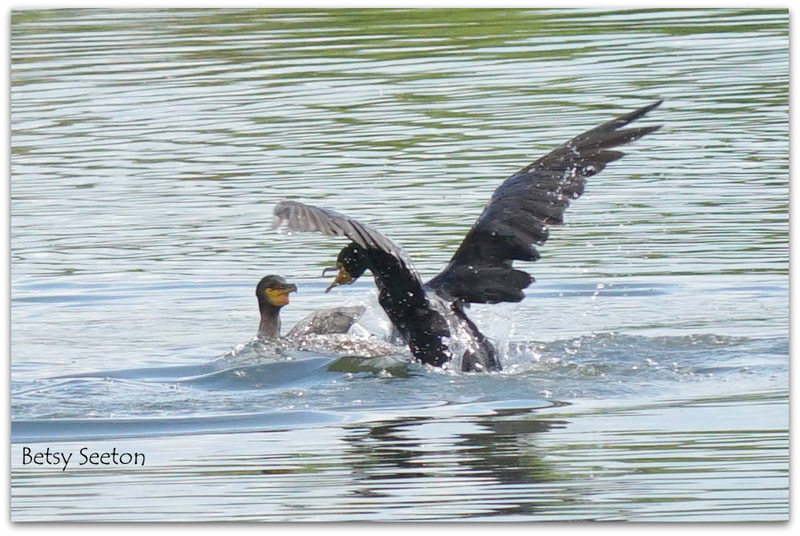
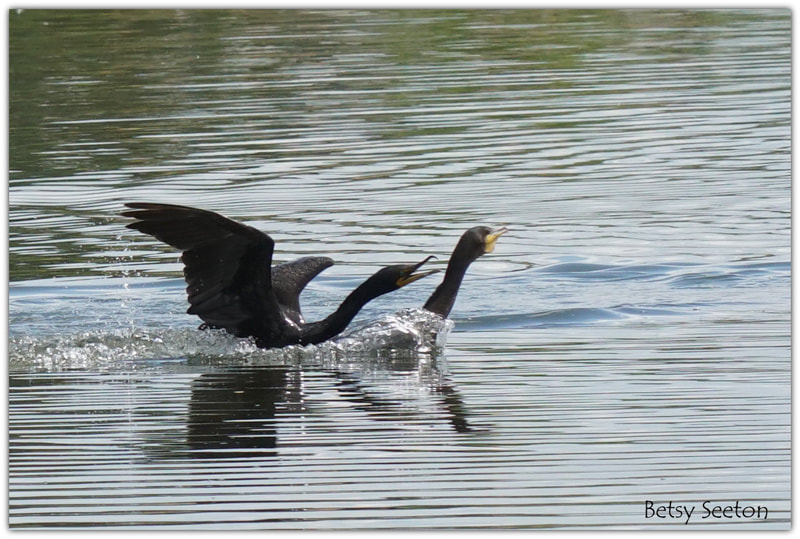
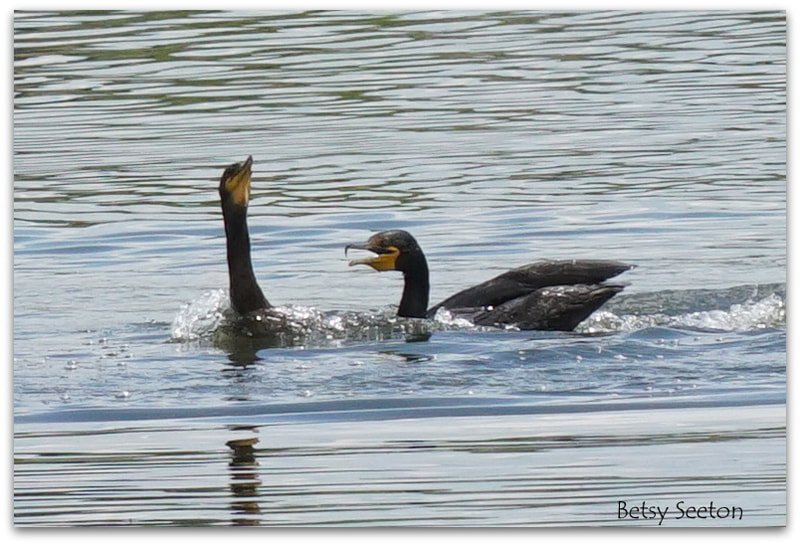
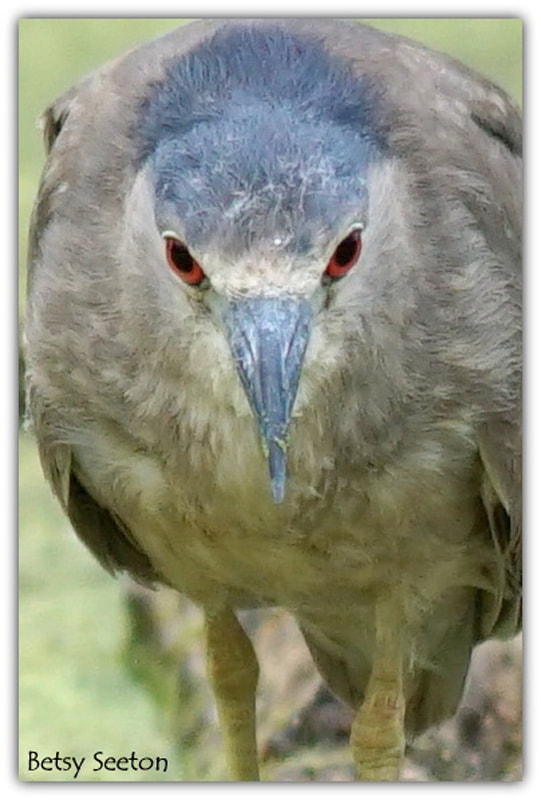
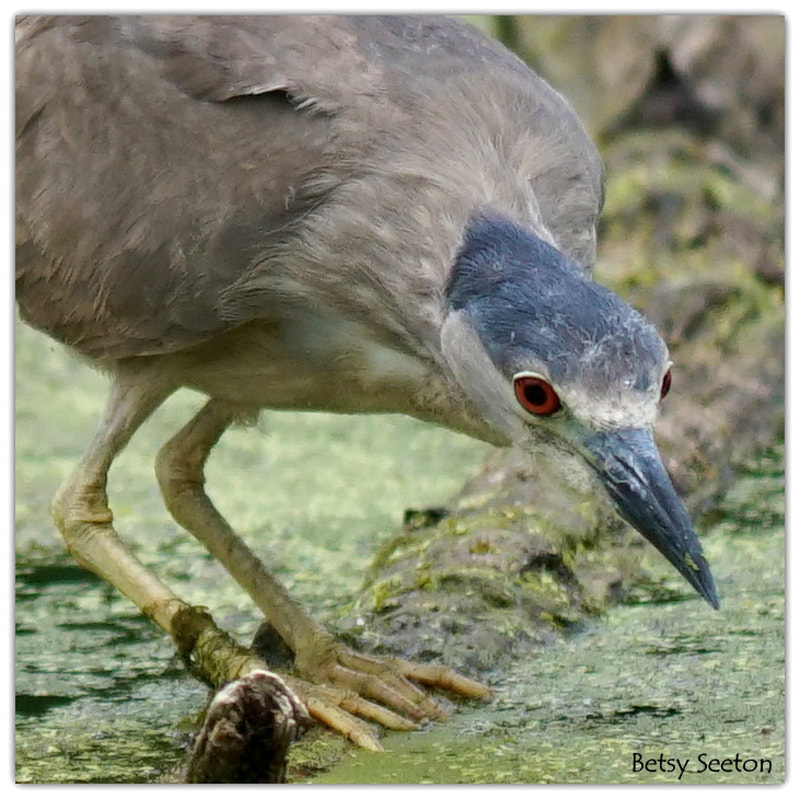
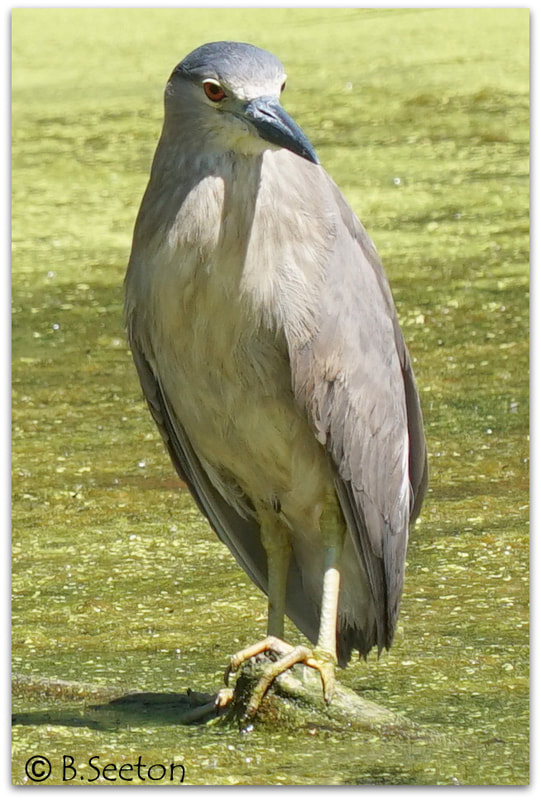
You'll often read that moose are solitary animals, but my experience dispells that. I have seen bulls hanging out with bulls and bulls hanging with moms and young babies in mid summer and not just during the rutting season. They aren't herd animals, but they can be social at times of the year when "experts" would tell you they are solitary. This is a re-post from 2014 with photos added through 2016. The mother moose pictured here is a regular around where I spend the summer and fall. She feels like a special neighbor to me. These pics were taken about a mile from my cabin last night. The sun had gone down and it was sprinkling. Last week they were in the meadow even closer to my place. They were grazing with a deer nearby. Right after these photos were taken, I saw a large, gorgeous bull elk crossing a stream and running into the forest. I read where throughout continental Europe, what we call a moose has often been known as the "elk." DID YOU KNOW? According to EarthJustice.org, "Warming temperatures have led to an explosion of white-tailed deer population in northern Minnesota, which carry a parasitic worm that is deadly to moose. The worm damages the moose’s central nervous system, leaving it weak, disoriented and susceptible to predation. Global warming is also allowing dog ticks to expand northward in Maine, which hurts the moose population of the Northeast." [source] More Moose Pics From ColoradoI found the moose antler in May 2017. A little tiff between cormorants today. The water at Belmar Park in Lakewood is getting too much algae it seems. Some stretches of water are pea soup looking. I hope someone in the city will look into it. This Black-Crowned Night Heron was a patient hunter. Each step across the small log was taken with the slowest movement, while his eyes were glued on a target I never did see. He could hold perfectly still for much longer than I could.
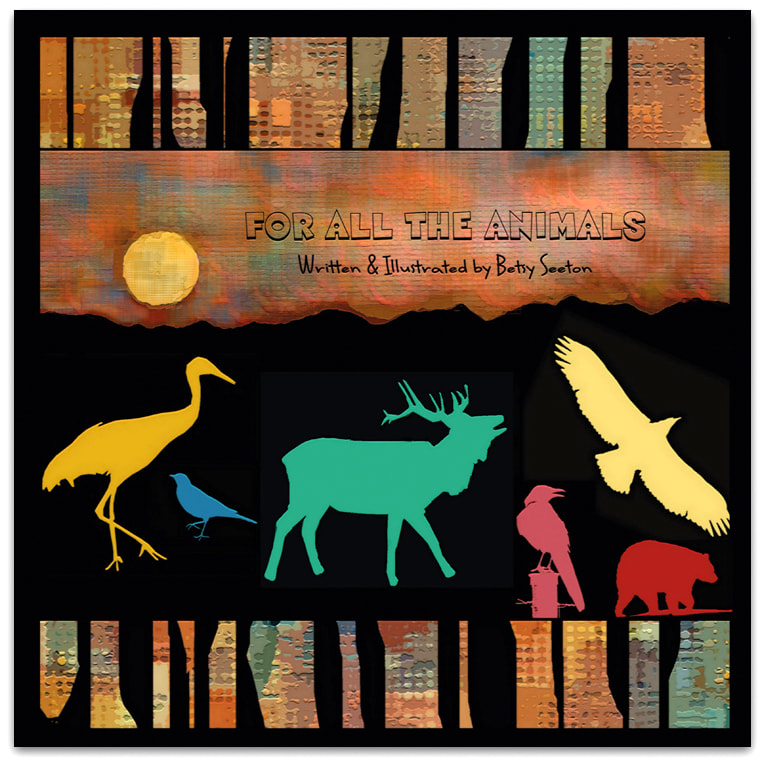
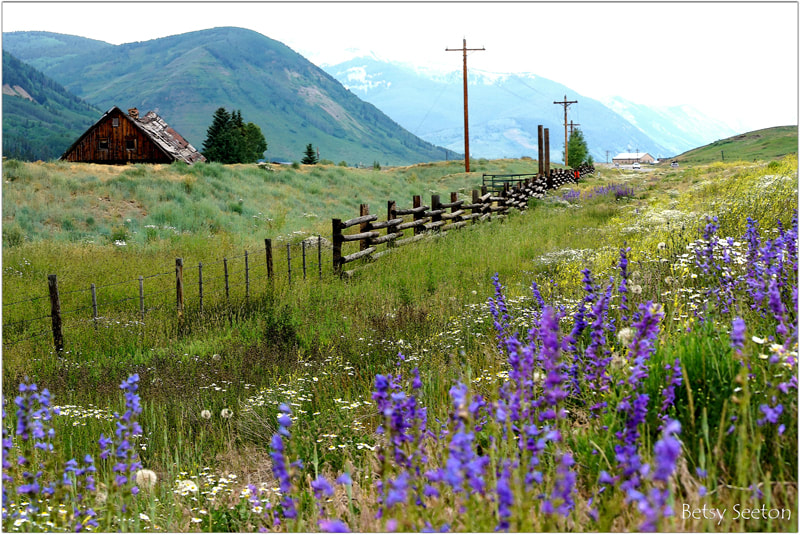
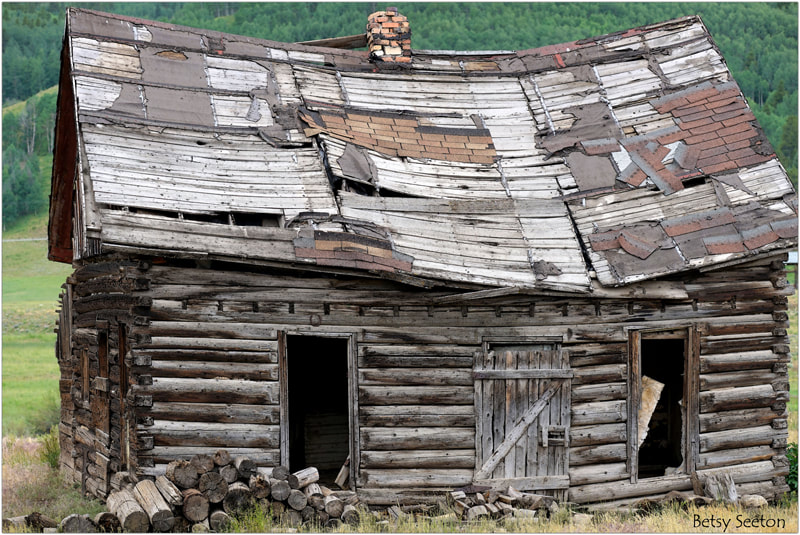
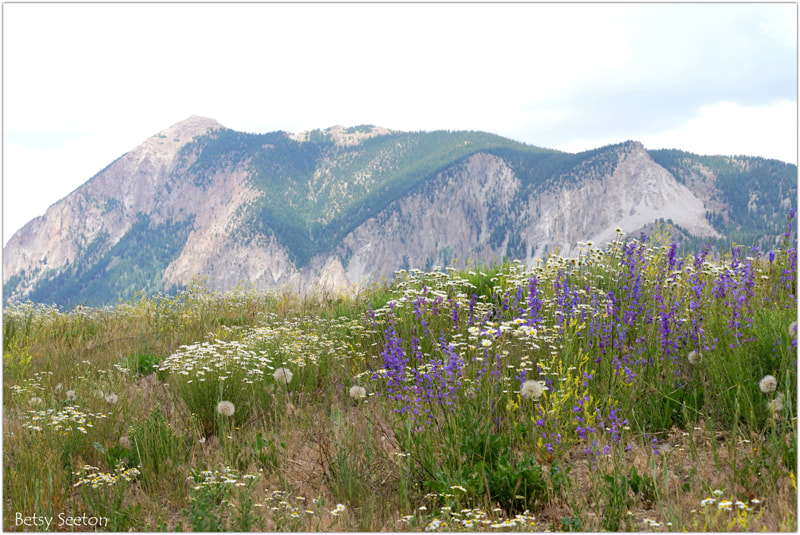
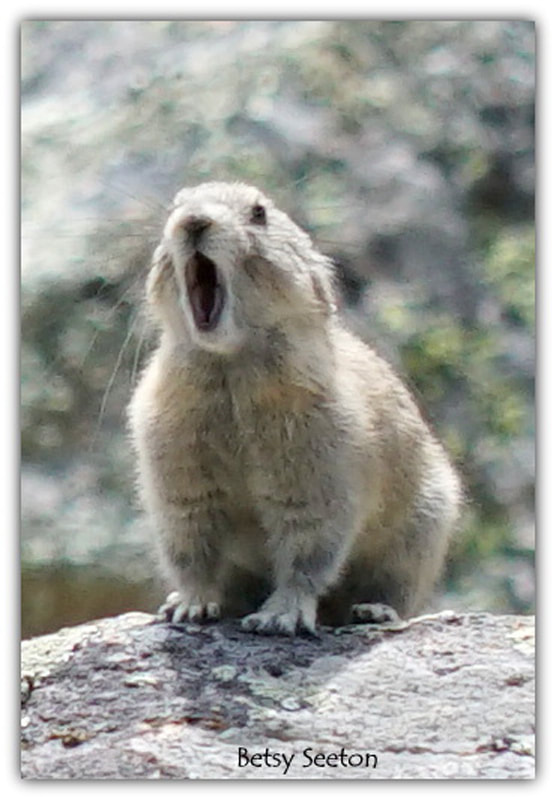
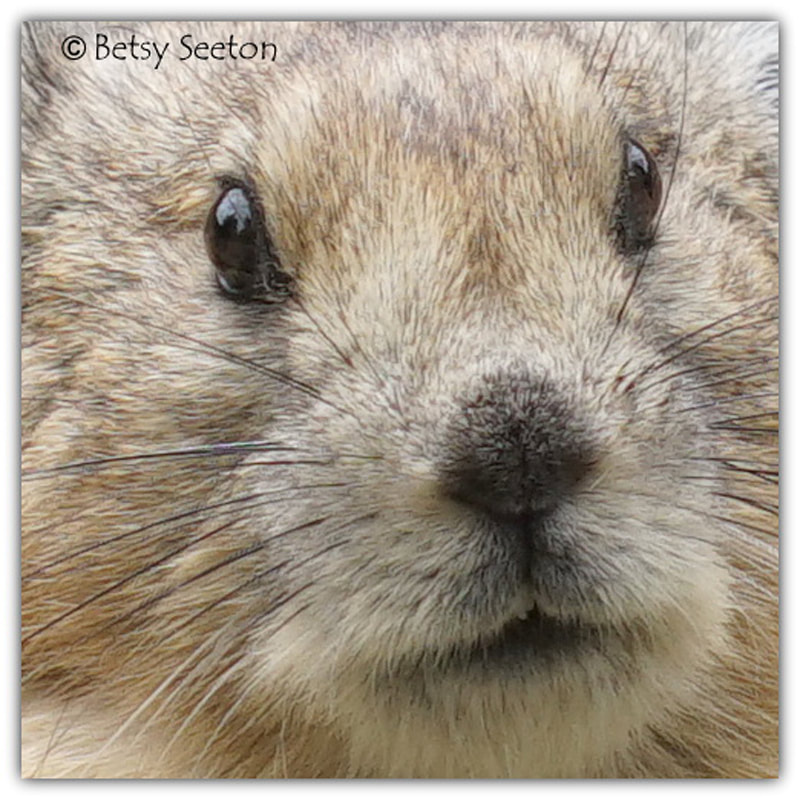
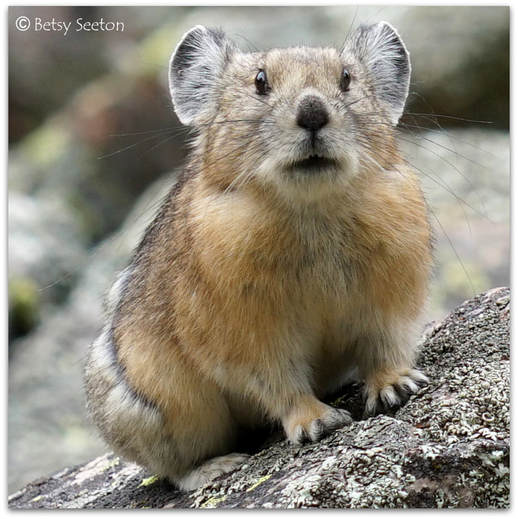
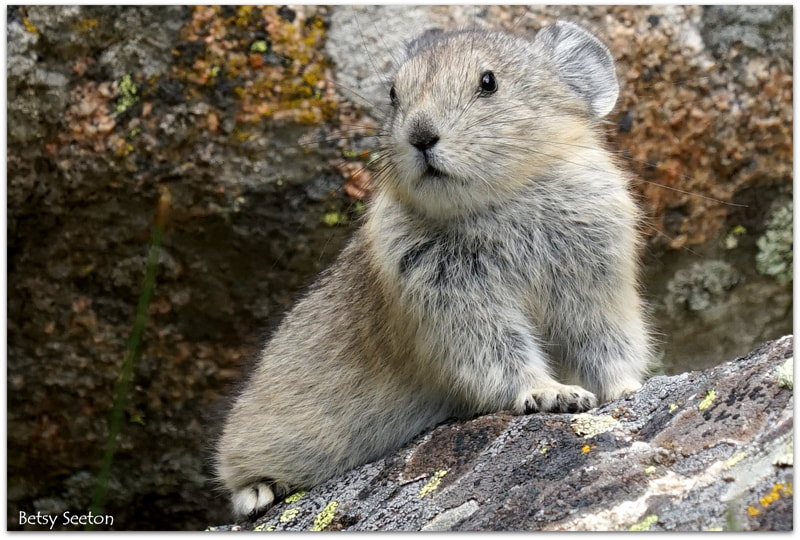
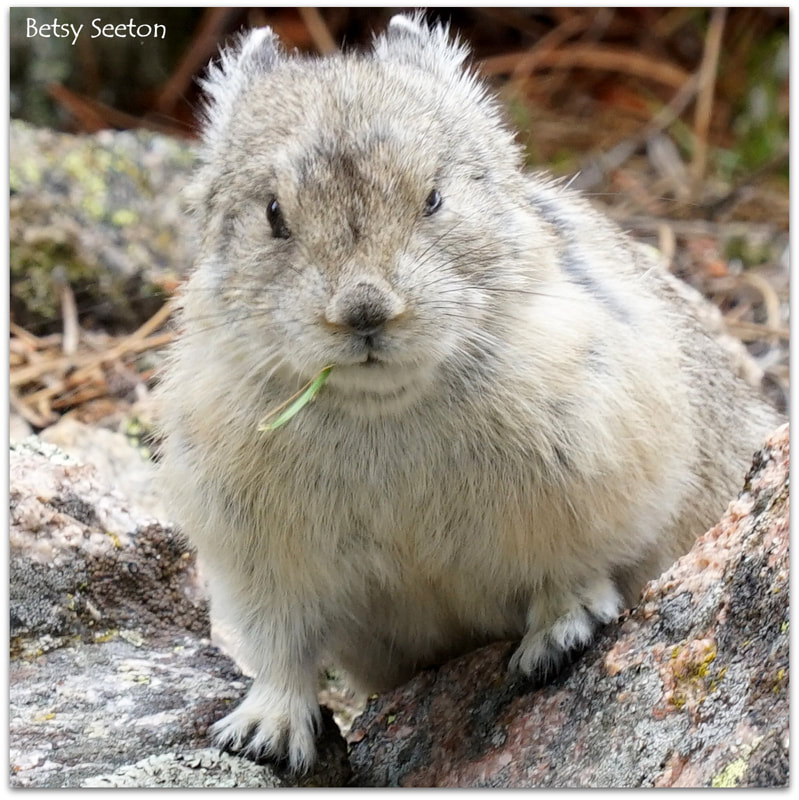
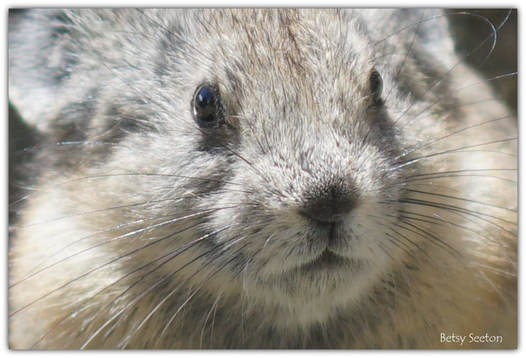
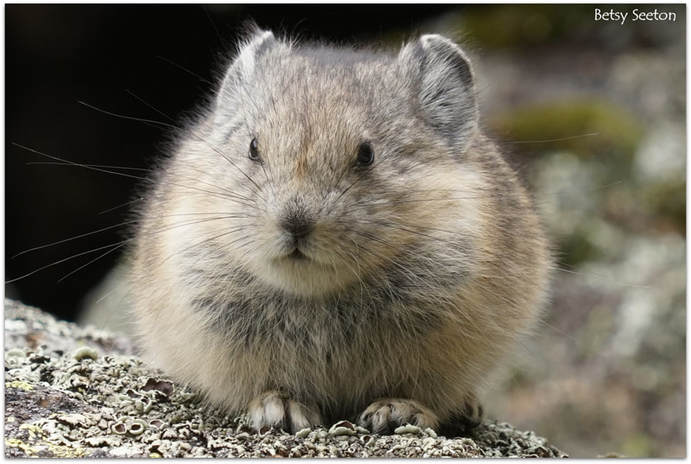
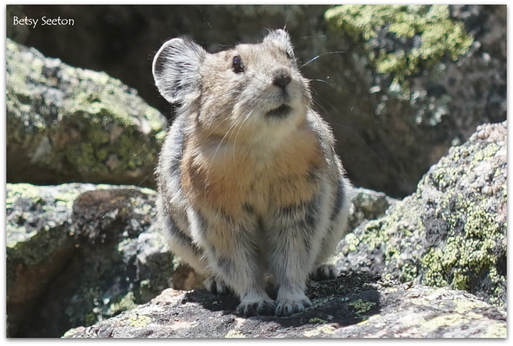
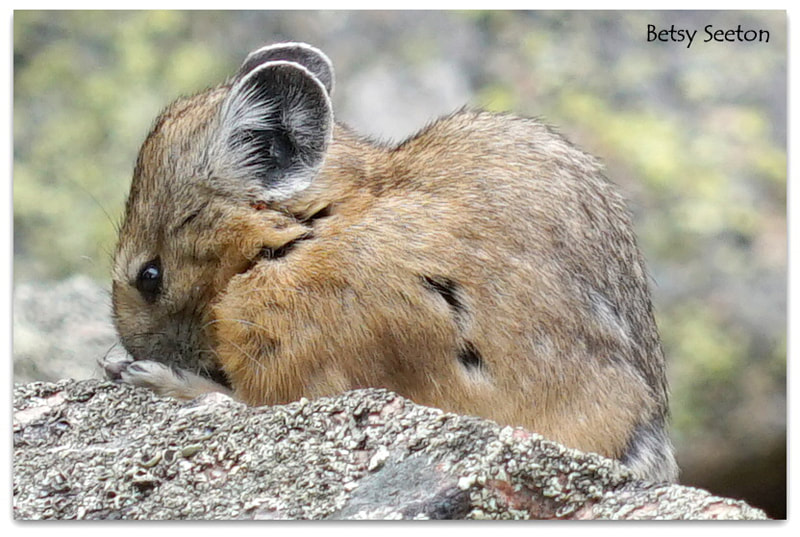
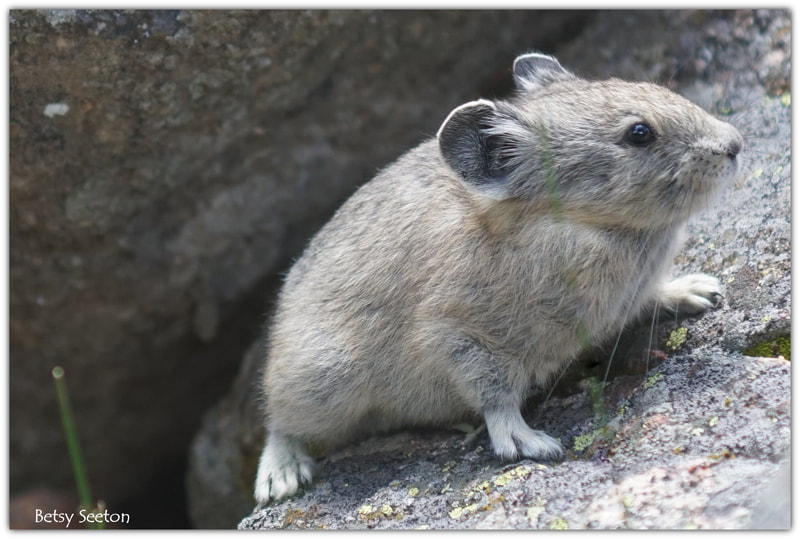
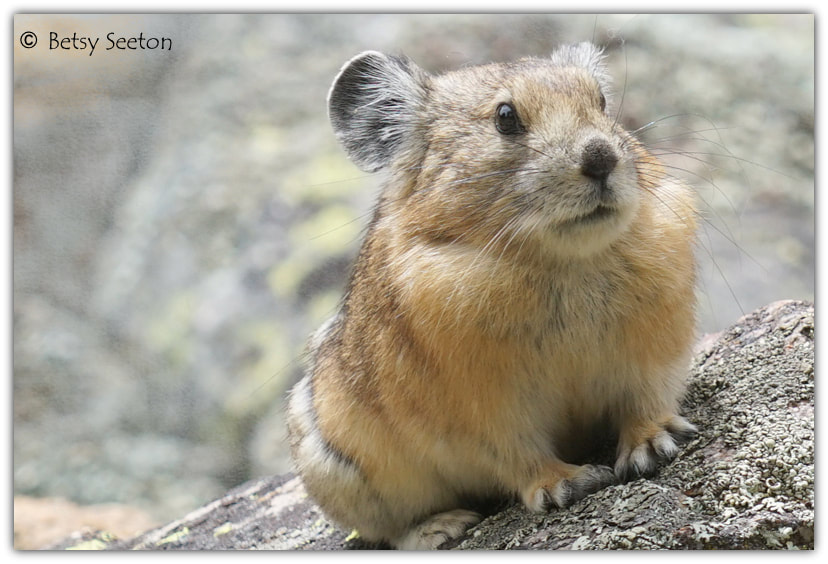
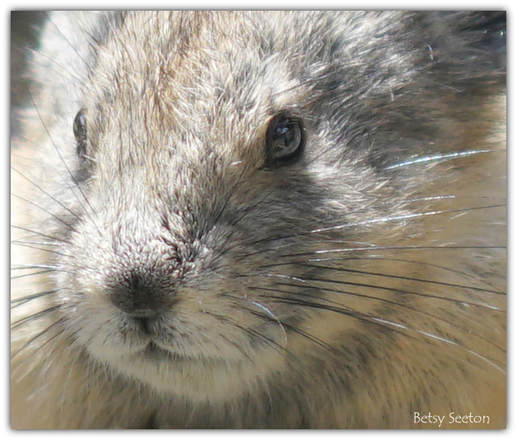
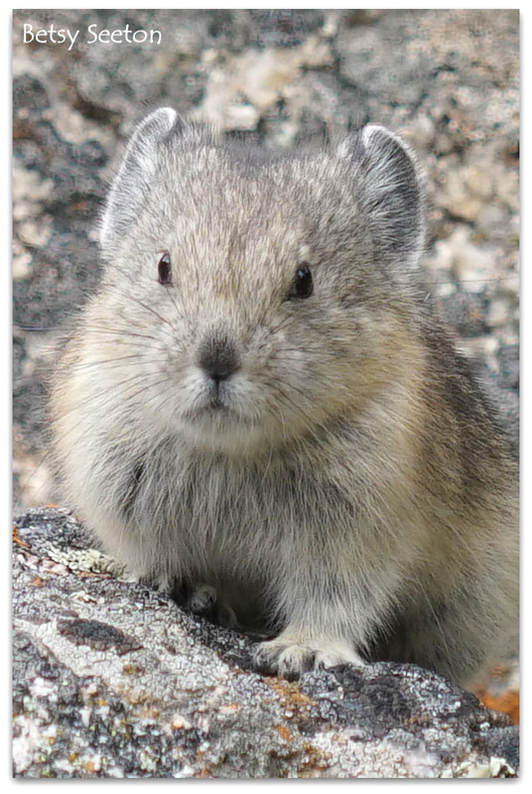
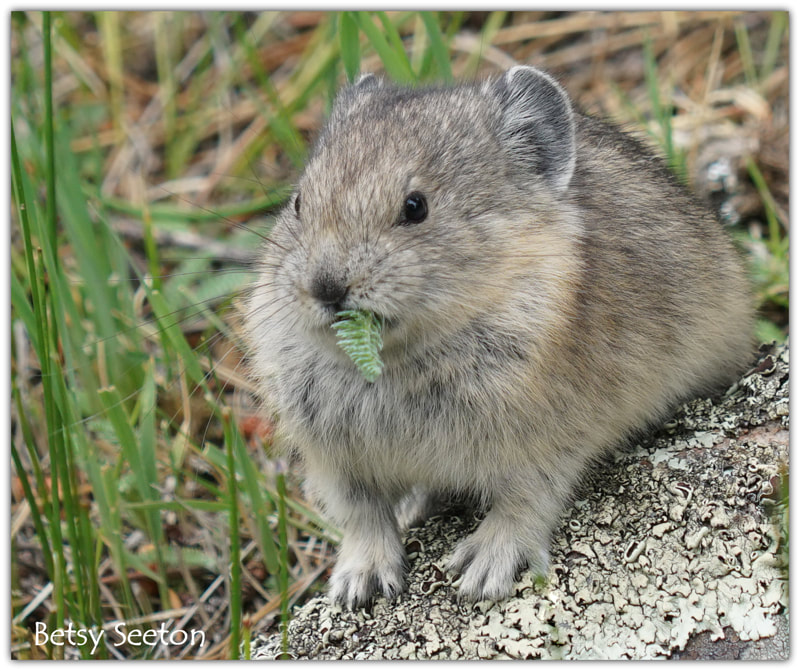
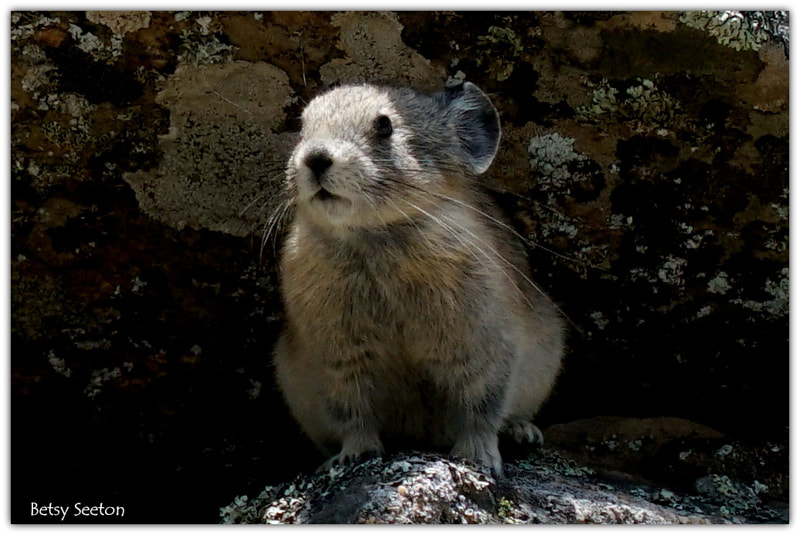
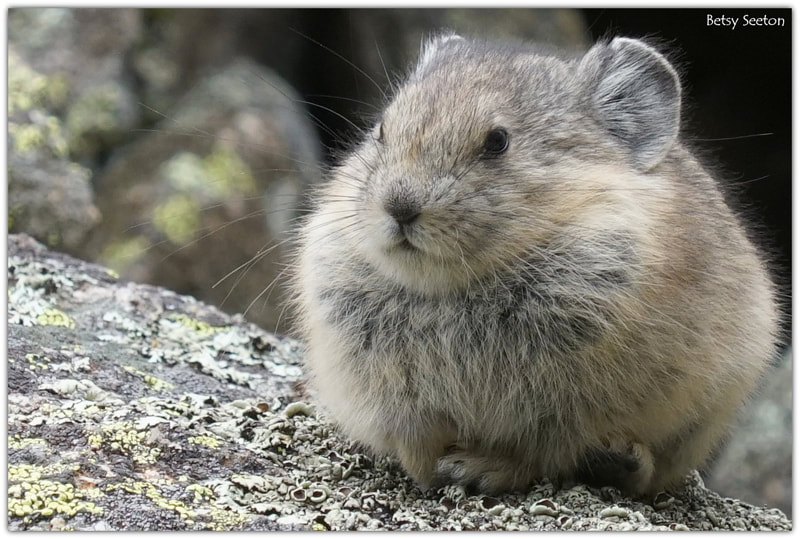
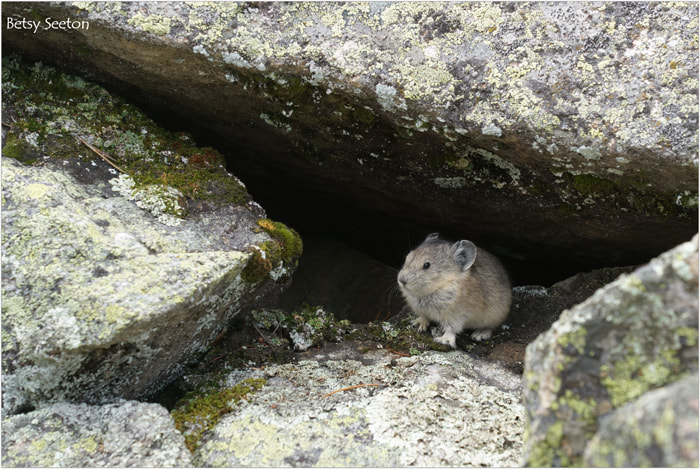
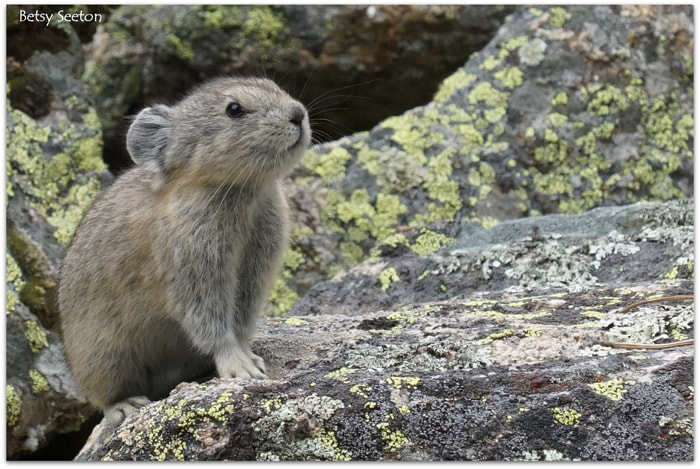
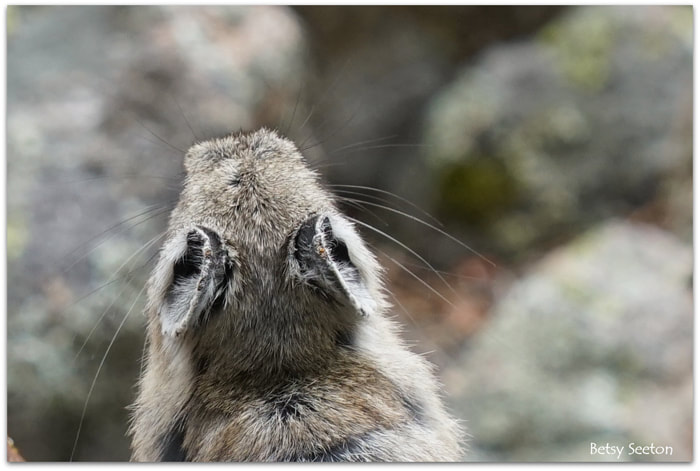
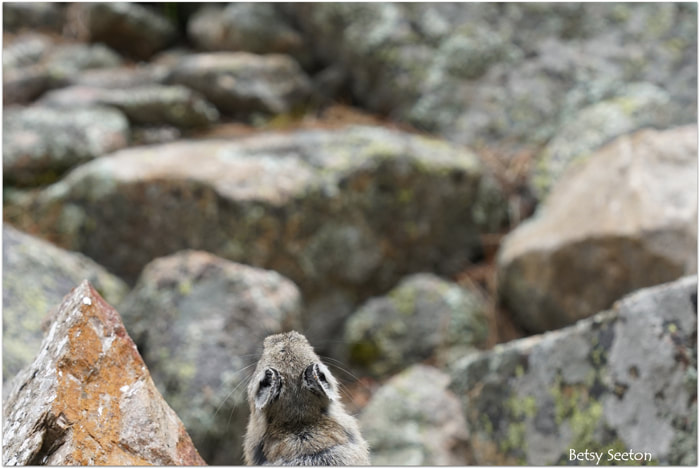
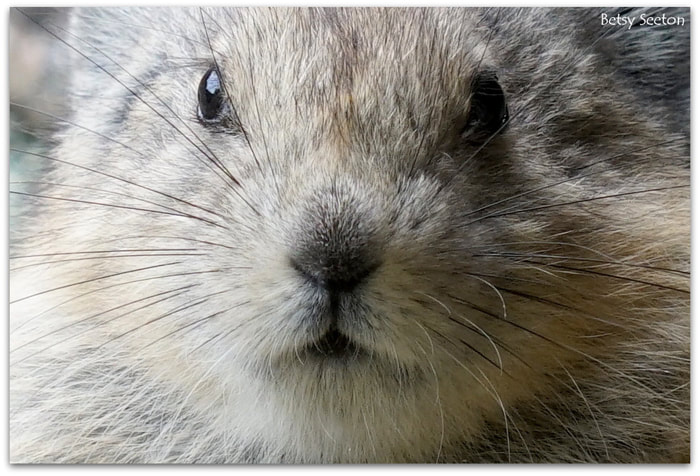
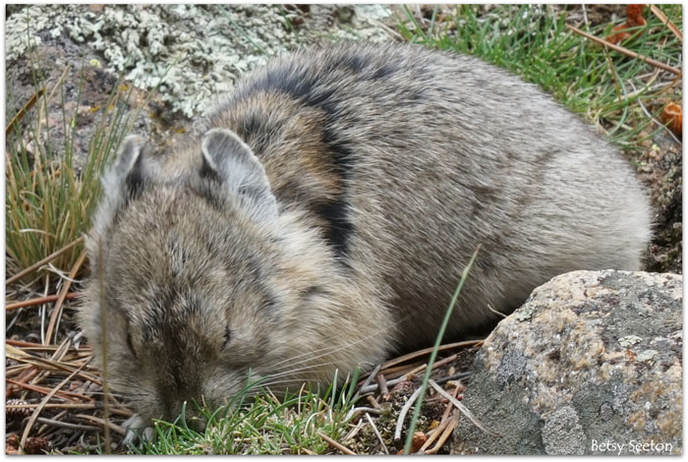
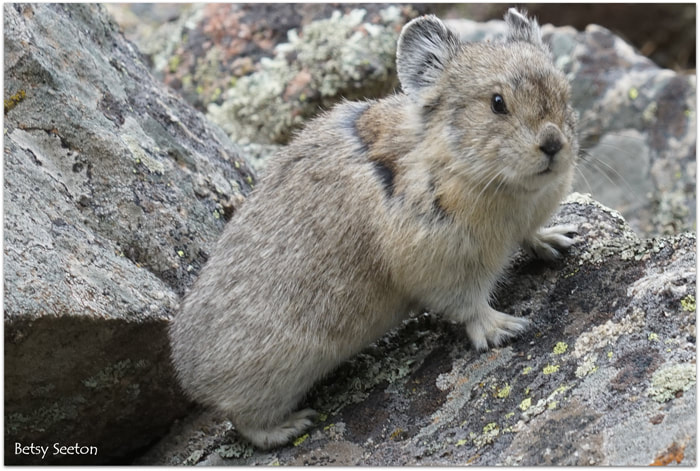
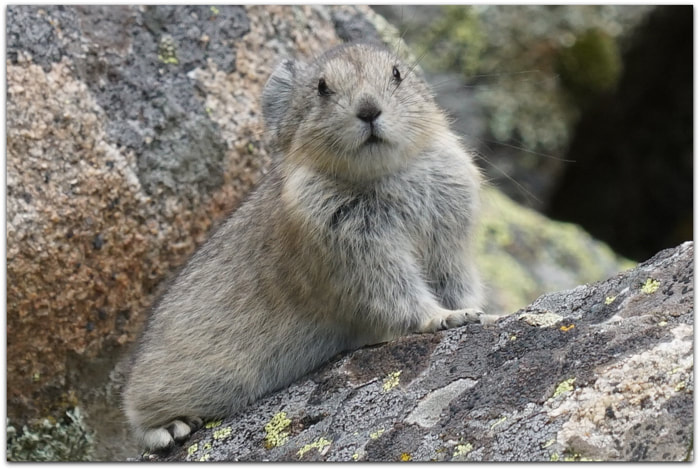
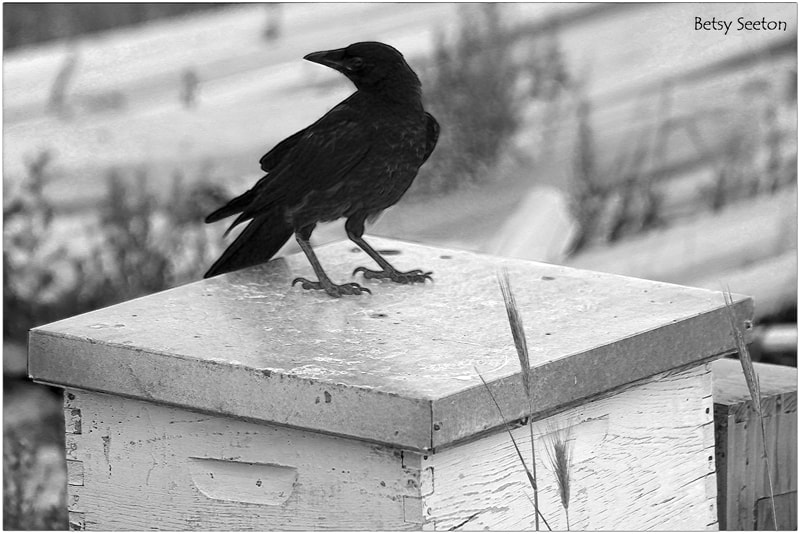
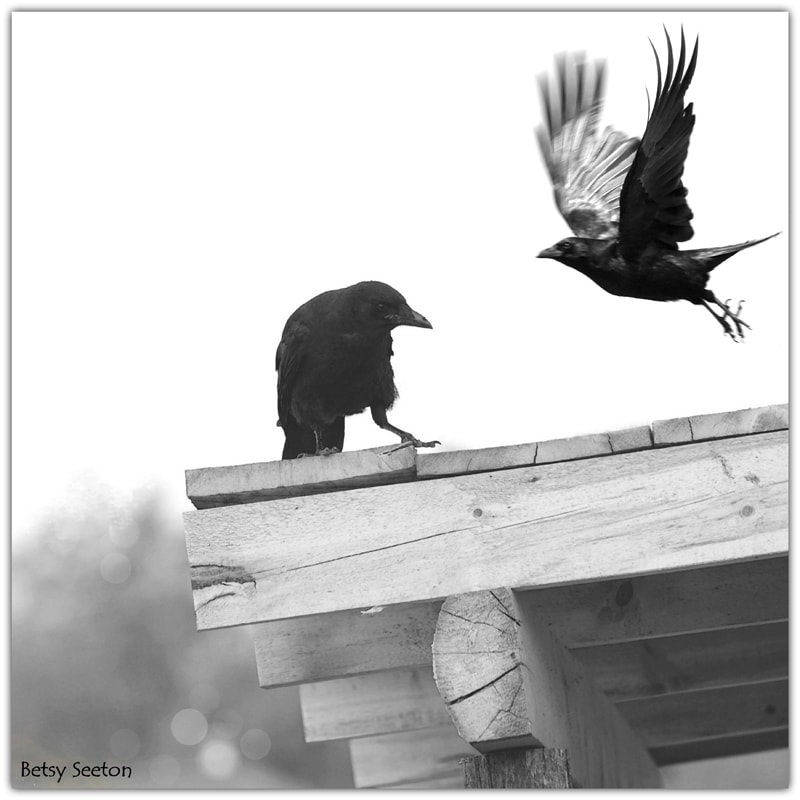
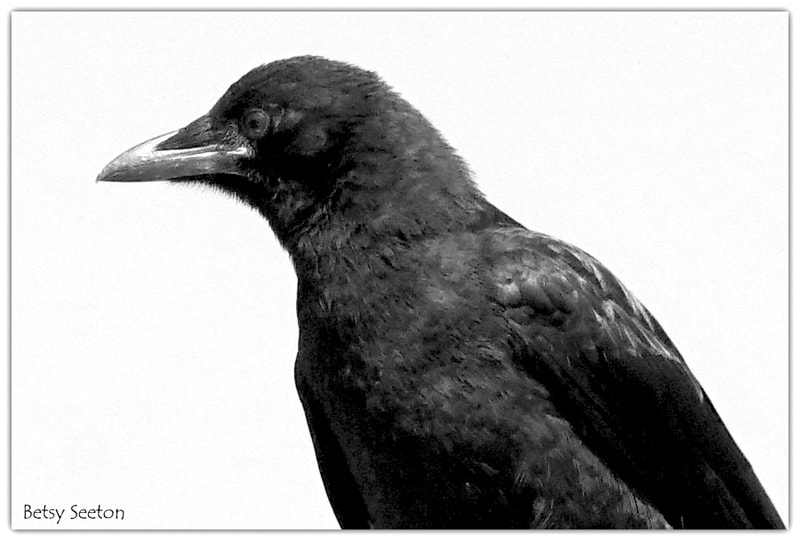
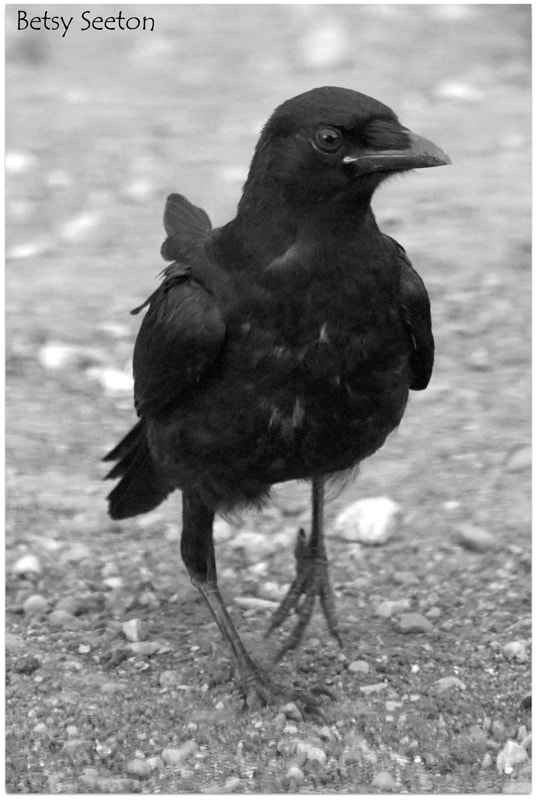
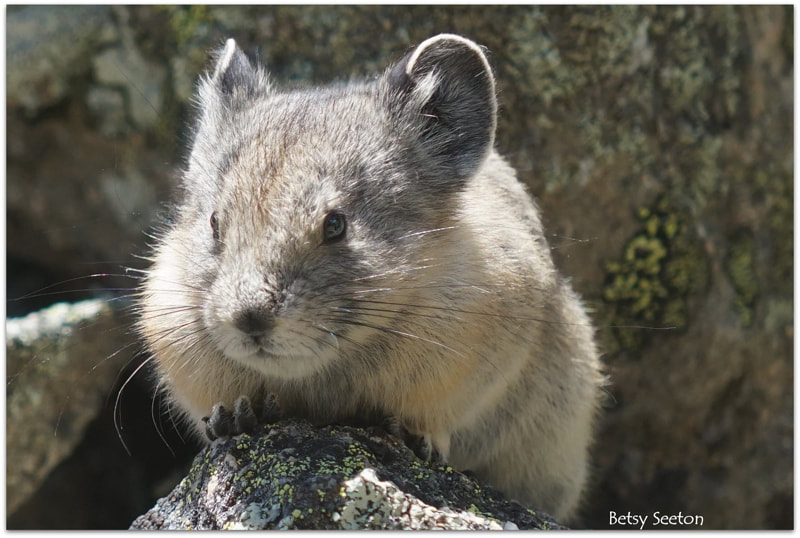
On my drive to Crested Butte to deliver my new children's book, FOR ALL THE ANIMALS, to the Rumors Coffee & Tea House for them to sell, I stopped to capture some of the gorgeous surroundings. The American pika (pronounced pie-kuh) emigrated from Asia to North America via the Bering Land Bridge nearly 2.6 million years ago. (Some reports say 5 million years ago.) Their remains have been found in caves in the Appalachian Mountains and in the Mojave Desert – sites where pikas no longer live. Pikas are a keystone species known as “ecosystem engineers” in that their foraging helps promote the diversity and distribution of various plant species and nutrients. "Without them, the birds would have no safe places to roost or raise young. Pikas also are the primary food source for birds of prey and carnivorous mammals such as weasels, foxes, wolves, and bears. If the pikas disappear, these animals will lose a valuable food source that they depend on for survival." A 2014 study found that extinction rates for American pikas have increased five-fold in the last 10 years while the rate at which the pikas are moving up mountain slopes has increased 11-fold. Great website from The Colorado Pika Project on citizen scientists reporting on pikas READ HERE. You'll learn how pikas get through harsh winters without hibernating. With the climate crisis looming over the American pika, community scientists are stepping up to collect key data! See how you could become involved HERE. "Although pikas are small, they are masters at preserving body heat. They are bad, however, at expelling extra heat. During the summer they stay cool by living under rocks, where the temperatures are up to ten degrees cooler. “Imagine that you wear a coat 365 days a year,” Peralta explained. If you’re not able to take that jacket off, “you're going to depend on going inside where you have air conditioning.” Because pikas are so sensitive to heat, they are especially susceptible to climatic shifts in temperature. This sensitivity is another reason why scientists are so keen to study them. Pika can provide an early warning sign that an ecosystem is in trouble." READ FULL ARTICLE posted Aug 15, 2024. This article asserts that pikas are adapting to climate change. "American pikas have adapted to living in very inhospitable environments. They live where most other mammals don't venture—the treeless slopes of mountains. It's very cold, rocky, and treacherous for the tiny pika. Pikas help protect themselves by living in colonies. They live near other pikas and will alert the group to predators by sending out a warning call. Although pikas live in colonies, they are very territorial over their den, which they build among rocks, and the surrounding area. They will give off territorial calls to define the boundaries between each pika neighbor."~ website National Wildlife Federation "In early to mid-spring, American pikas begin to breed. Many pikas breed twice—once in spring and again summer. The female is pregnant for a month before giving birth to a litter of two to six young. When born, the young cannot function on their own, and they depend on their mother for care. It takes about a month for the young to be weaned and three months to reach an adult size. After a year, the young develop into breeding adult pikas. American pikas can live around six to seven years, but many die after three or four years." ~ website National Wildlife Federation "Pikas don’t hibernate, but rather use their furnace-like metabolism and thick coat of fur to stay warm during winters under the snow. “A larger haypile acts as insurance policy against winter starvation,” explained Stewart. “But the same adaptations that allow them to stay warm during winter make them vulnerable to overheating in the summer, and when summer temperatures are too hot, they can’t gather enough food to survive and reproduce.” FULL ARTICLE HERE I have bird seed scattered throughout my yard and it draws in all kinds of birds. I'm loving the crows who are beginning to visit regularly.
|
GETTING IN TOUCH
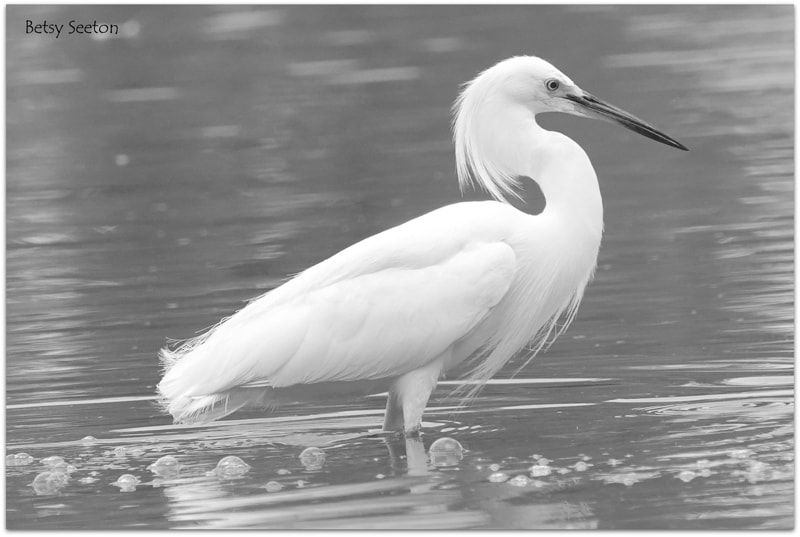
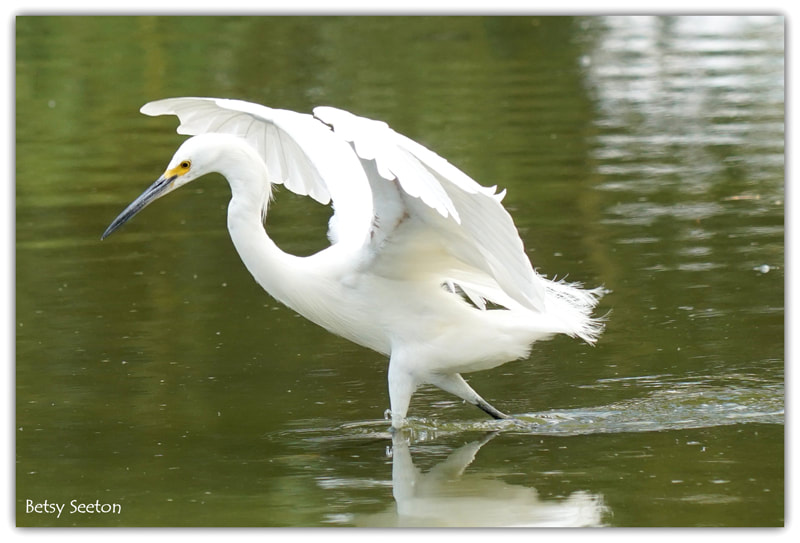
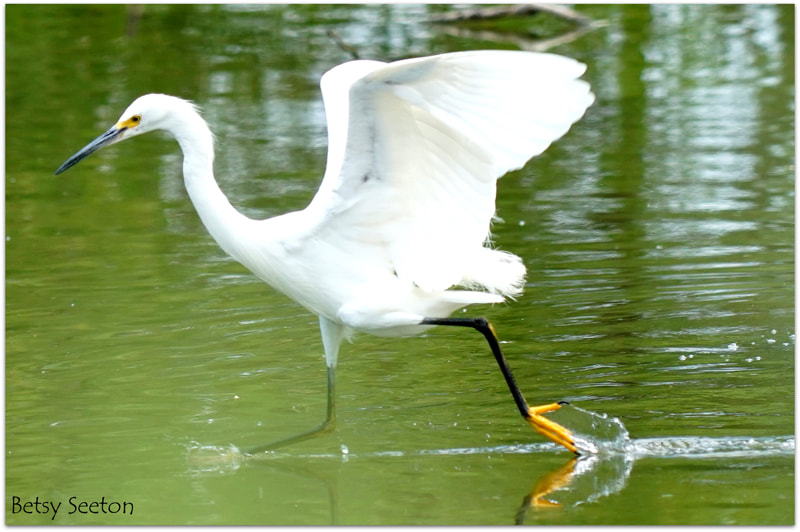
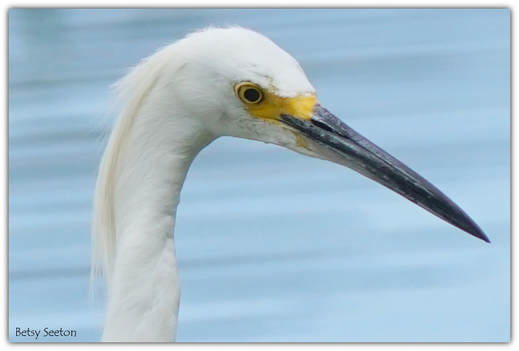
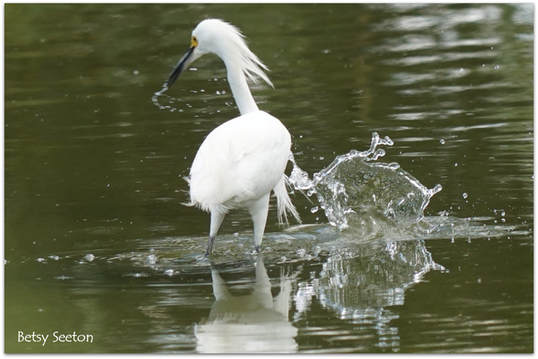
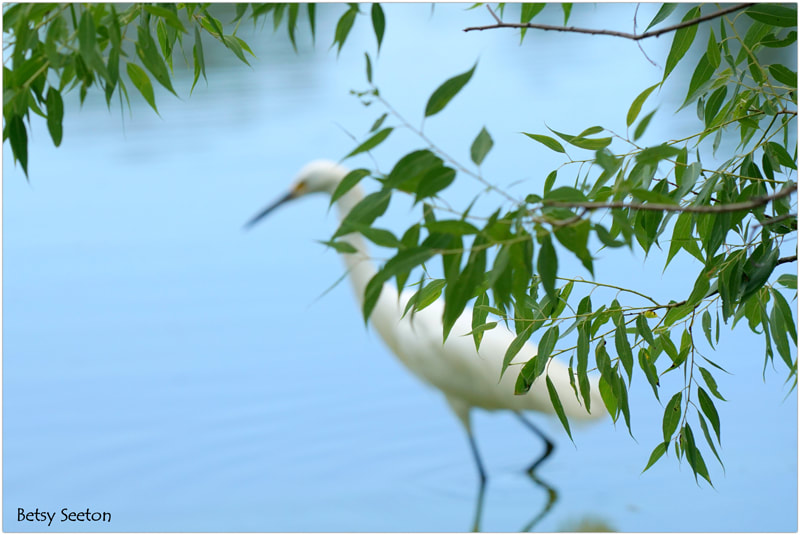
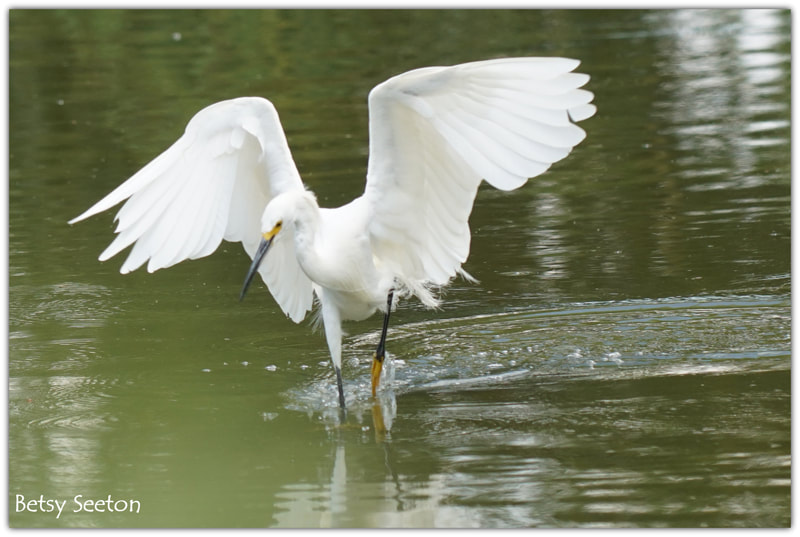
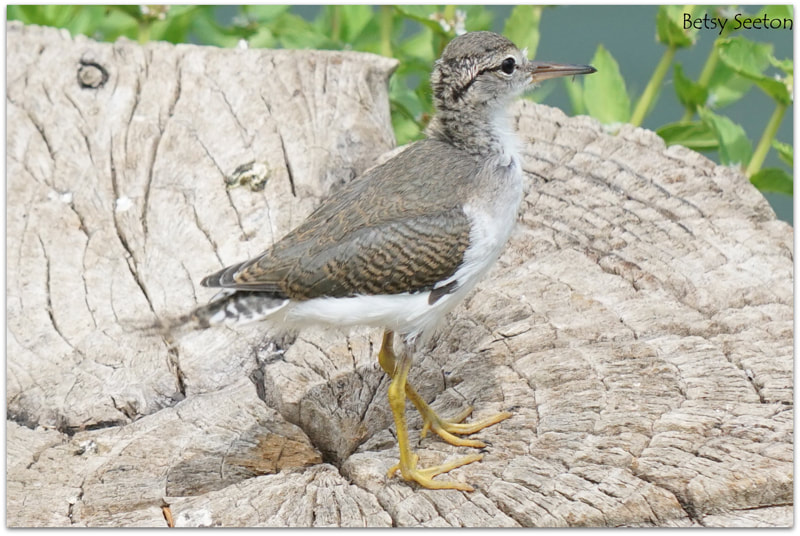
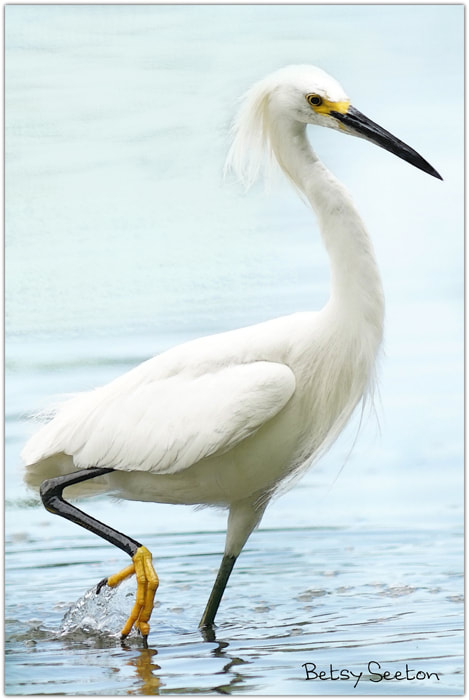
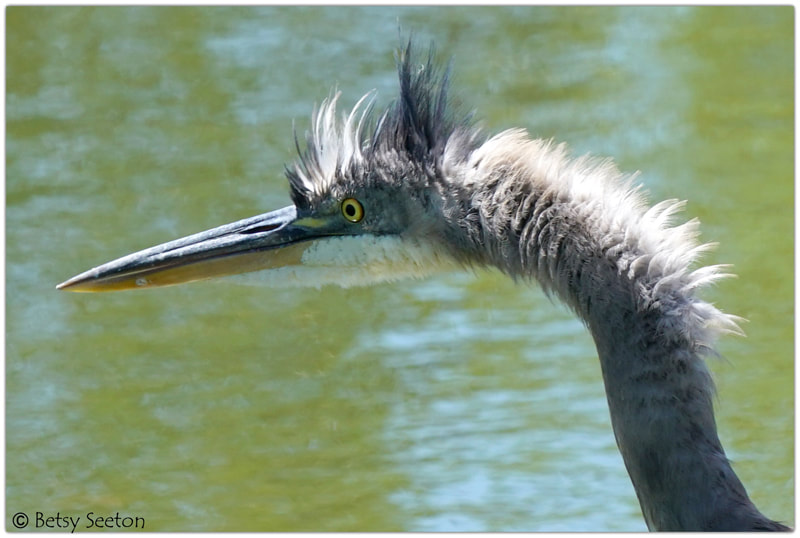
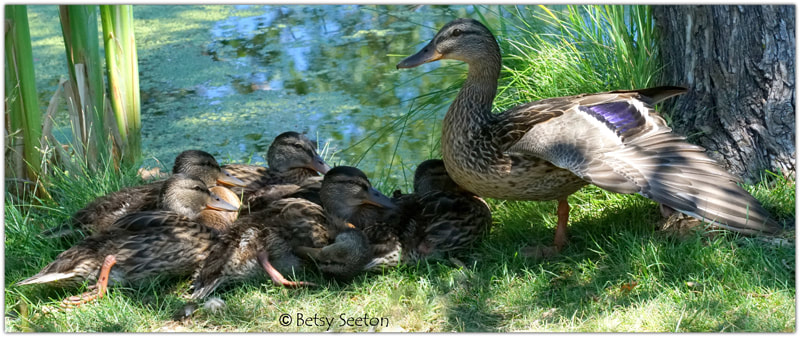
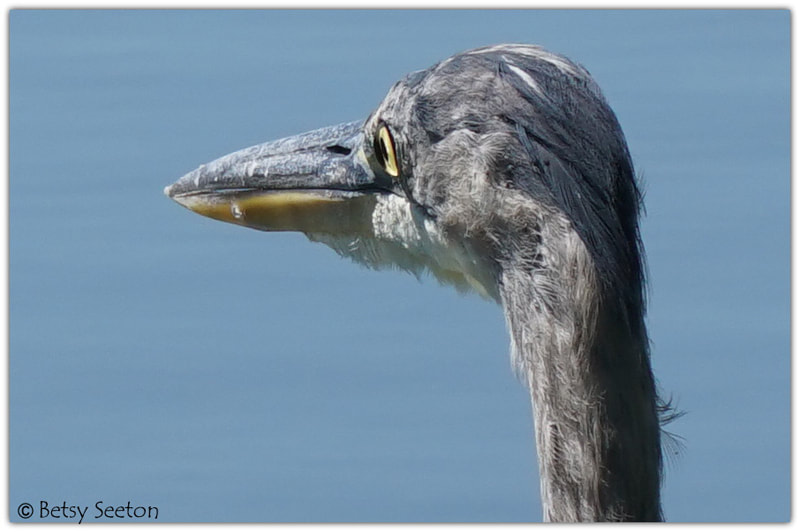
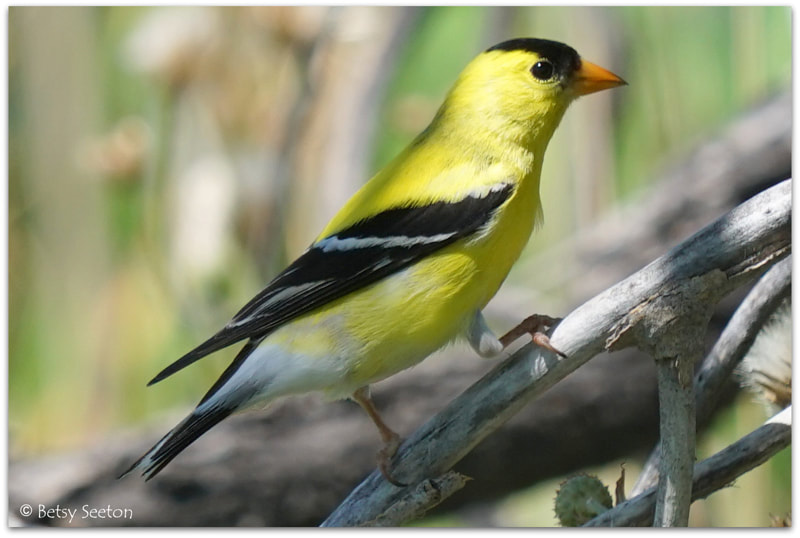
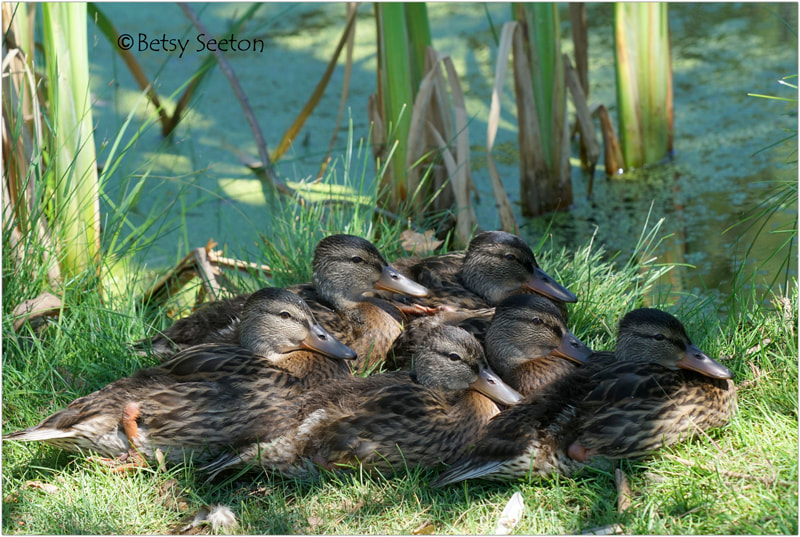
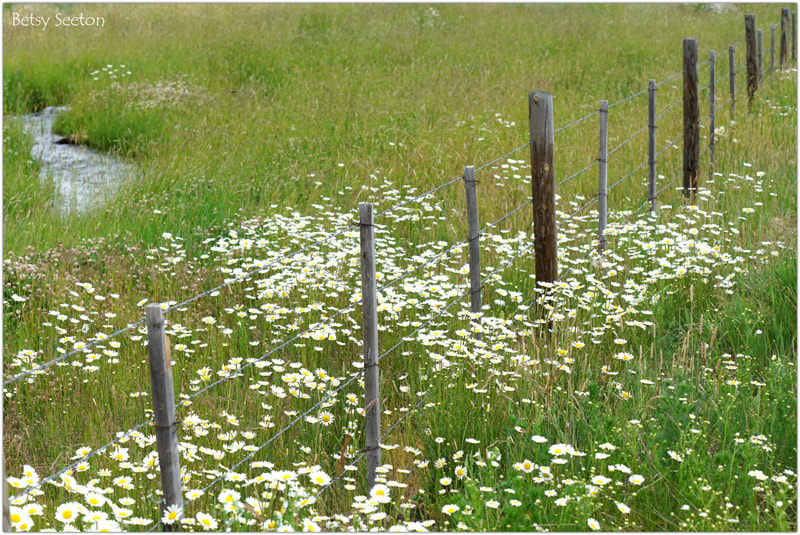
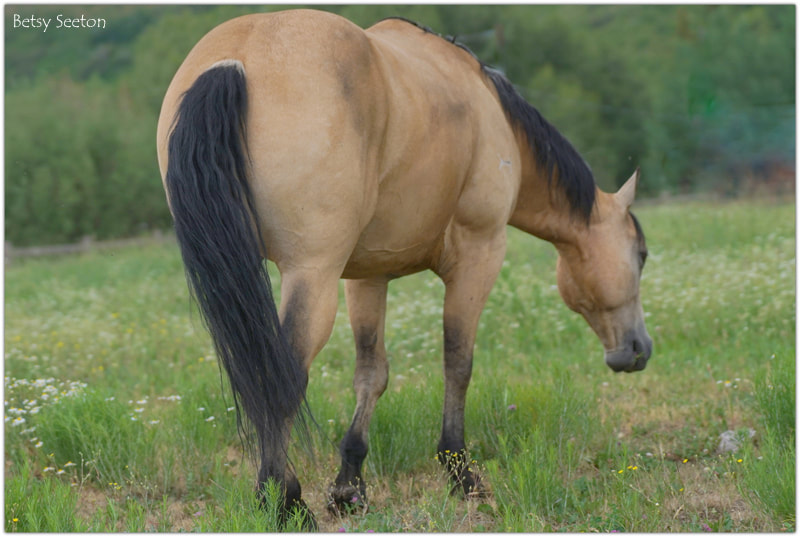
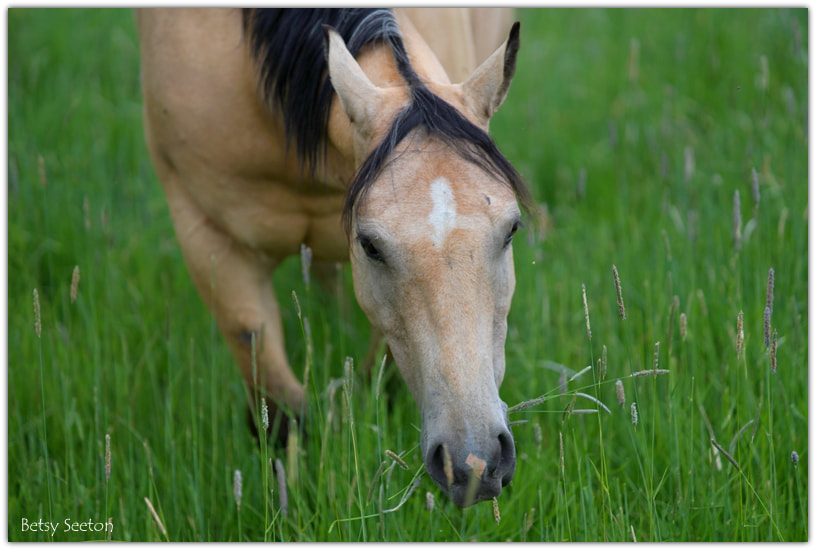
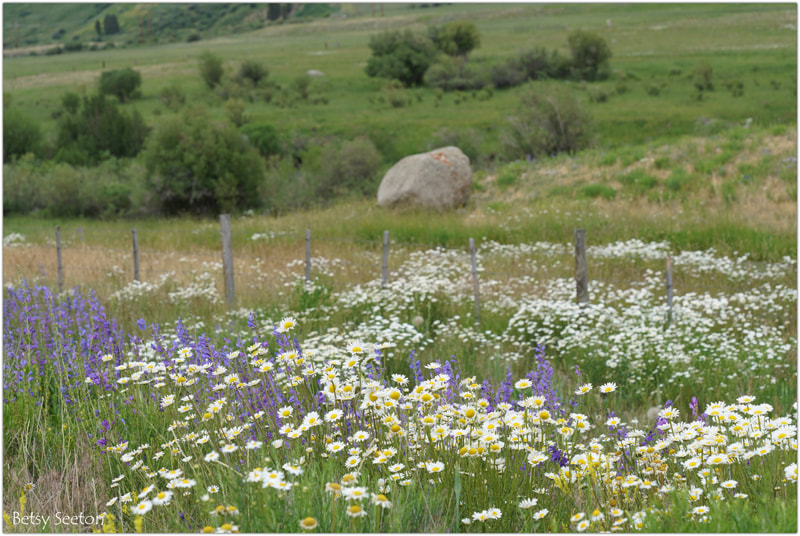
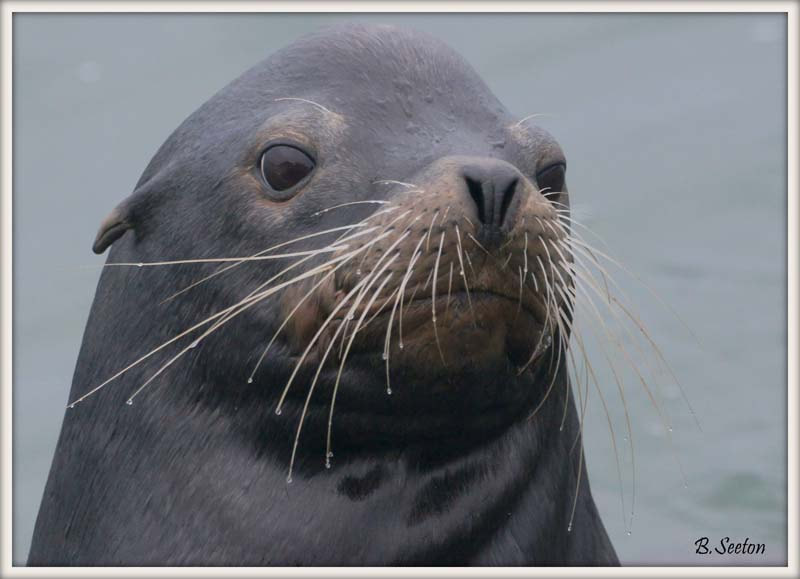
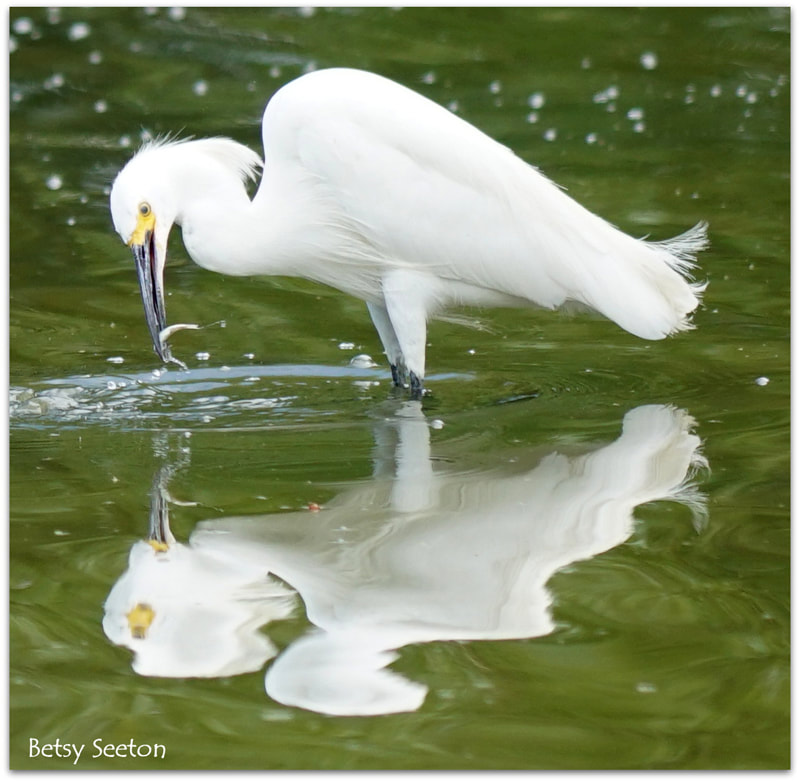
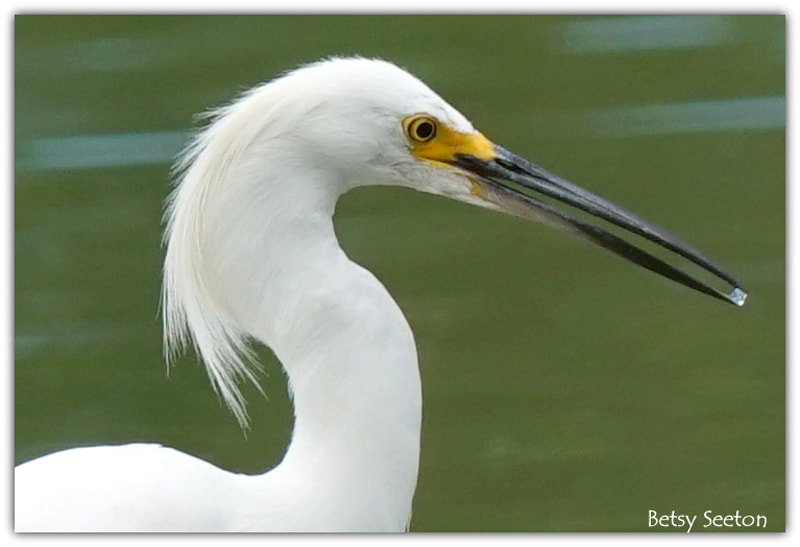
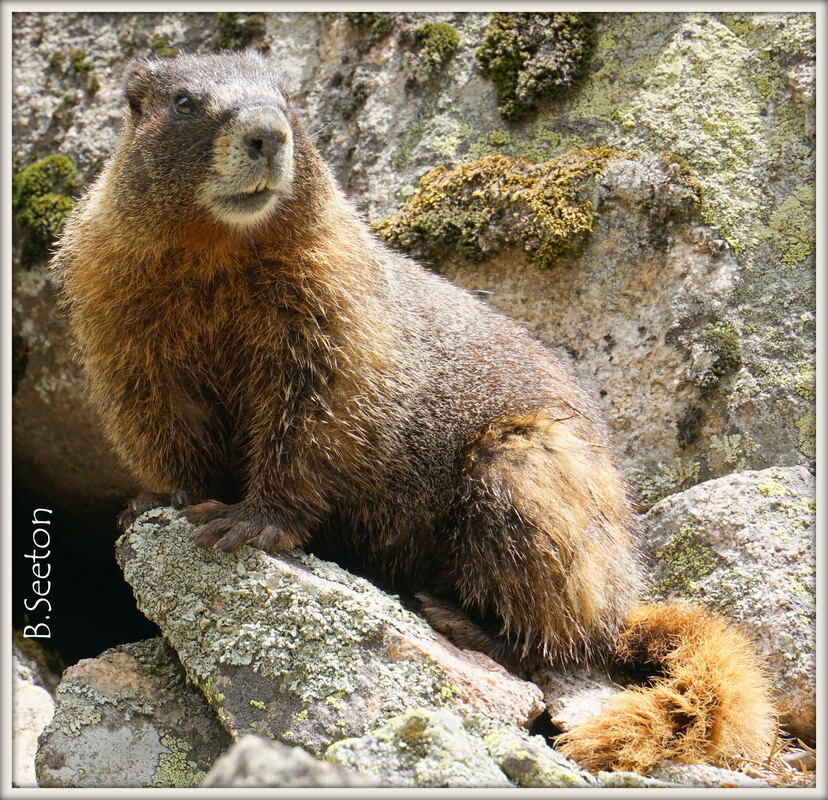
WITH NATURE The company I use for this website is Weebly and for some unknown reason random photos of mine appear throughout my postings unrelated to what I uploaded. If a fox appears on a blog about a moose or some other animal or photo unrelated to the blog, you'll know why! It's unfixable.
Archives
June 2024
Categories
All
|


RSS Feed